
The Global Impact of Dementia

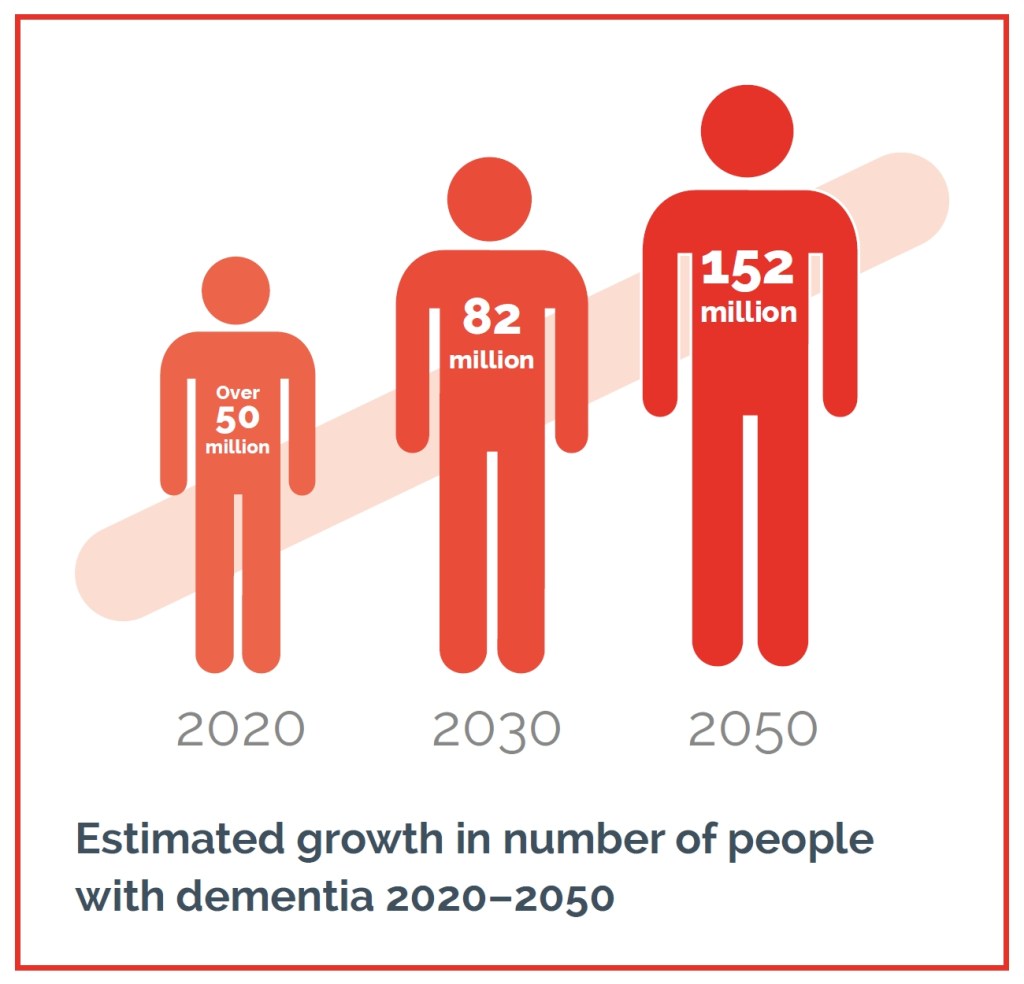
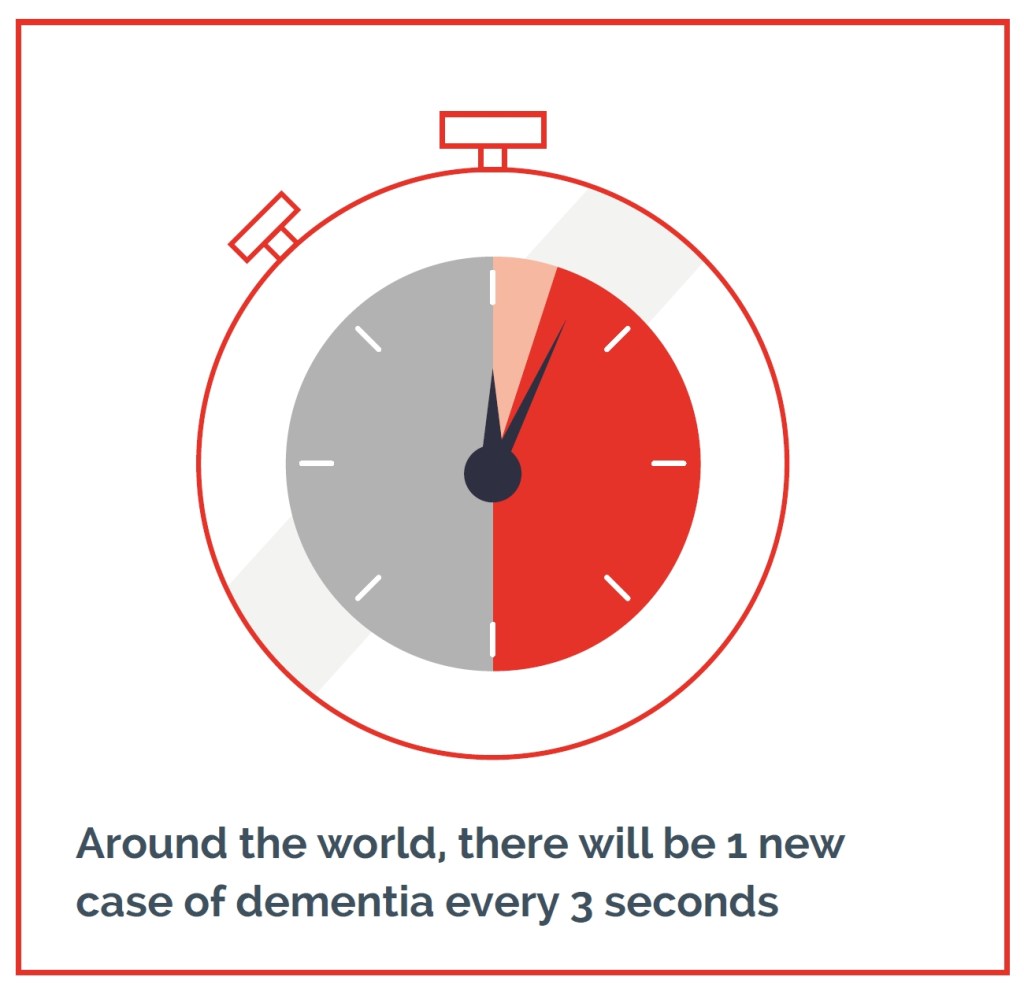
- Currently more than 55 million people have dementia worldwide, over 60% of whom live in low-and middle-income countries. Every year, there are nearly 10 million new cases.
- Dementia results from a variety of diseases and injuries that affect the brain. Alzheimer disease is the most common form of dementia and may contribute to 60–70% of cases.
- In 2019, dementia cost economies globally 1.3 trillion US dollars, approximately 50% of these costs are attributable to care provided by informal carers (e.g. family members and close friends), who provide on average 5 hours of care and supervision per day. Women are disproportionately affected by dementia, both directly and indirectly. Women experience higher disability-adjusted life years and mortality due to dementia, but also provide 70% of care hours for people living with dementia.
- Dementia is currently the seventh leading cause of death and one of the major causes of disability and dependency among older people globally.
Current Treatments for Dementia

- Some medications can help manage dementia symptoms.
- Medication cannot cure, it can only alleviate degeneration, and its effectiveness will easily decrease after long-term use.
- Nostalgia therapy and sound and light stimulation are physical therapies that can be paired with dementia clinics to slow down the rate of brain degeneration.
Light-based Therapy for Alzheimer’s Disease
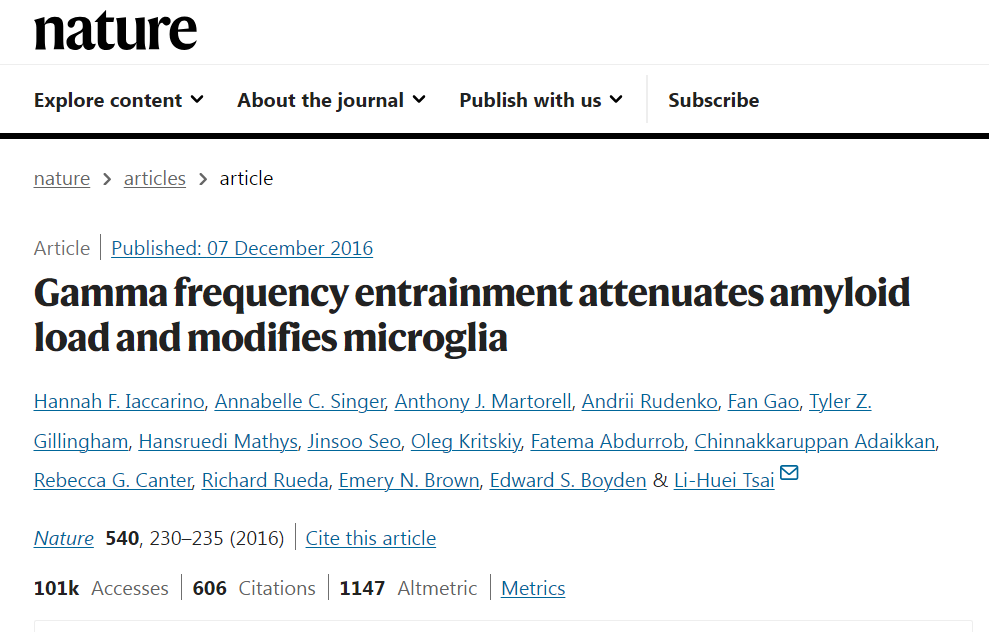
- The 40Hz light stimulation therapy for Alzheimer’s disease was proposed by the research team led by Professor Li-Huei Tsai from the Department of Brain and Cognitive Sciences at the Massachusetts Institute of Technology (MIT).
- In December 2016, this research team published a study titled “Gamma frequency entrainment attenuates amyloid load and modifies microglia” in the journal “Nature.” This study revealed that “40Hz flickering light” can stimulate gamma brain waves in Alzheimer’s disease mice, reduce the accumulation of beta-amyloid-like proteins in the brain, and improve the function of microglial cells.
- This study revealed that “40Hz flickering light” can stimulate gamma brain waves in Alzheimer’s disease mice, reduce the accumulation of beta-amyloid-like proteins in the brain, and improve the function of microglial cells.
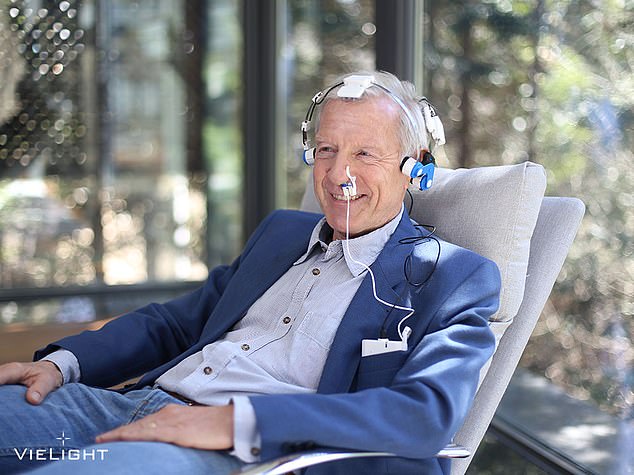
- At the 2021 Alzheimer’s and Parkinson’s Disease International Conference (2021 AD/PD), it was announced that the clinical phase 2 results of innovative audio-visual stimulation digital therapy for Alzheimer’s disease patients showed a reduction in the rate of decline in patients’ memory and cognitive ability scores by 83% and a 61% reduction in brain atrophy.
- The study included a total of 76 mild to moderate Alzheimer’s disease patients aged 50 and above. During the 6-month treatment period, patients received daily 1-hour sessions of 40Hz visual and auditory stimulation in their homes through randomization.
- Cognito announce positive Phase II extension data for Alzheimer’s device. The neuromodulation device delivers proprietary gamma frequency light and sound stimulation for the treatment of Alzheimer’s disease.
How does the 40 Hz Light Work ?
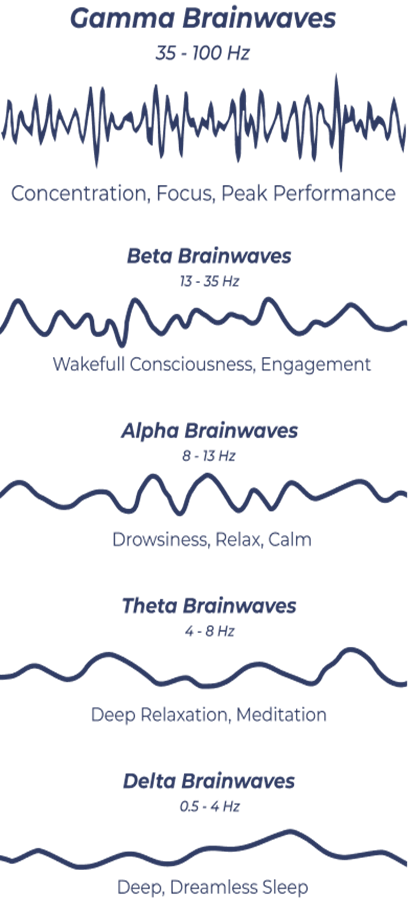
- The mechanism behind 40 Hz light therapy is quite remarkable. When the brain is exposed to rhythmic visual stimuli at 40 Hz, it responds by aligning its electrical activity to match this frequency. In essence, it helps “reset” the disrupted gamma brainwaves.

- This therapy is thought to stimulate the brain’s gamma wave activity, which is vital for cognitive processes like memory and attention. Think of it as a gym workout for the brain, strengthening those areas weakened by Alzheimer’s. It’s not just about slowing down the disease; it might actually help the brain regain some of its lost functions.
M+ BrainCare Light Stimulate Cognitive Vitality
The three major benefits of M+ BrainCare Light are:
- Patented multi-frequency light technology: Ensuring the eyes are free from 40Hz flicker interference, while maintaining comfort and well-being.
- Easy to install and move: Offering both floor and desk lamp options for effortless installation and convenient mobility.
- Clinical trial validated: The ‘ M+ BrainCare Light‘ has been tested in cellular experiments and demonstrated its ability to reduce the secretion and aggregation of abnormal amyloid proteins.
Patent NO:
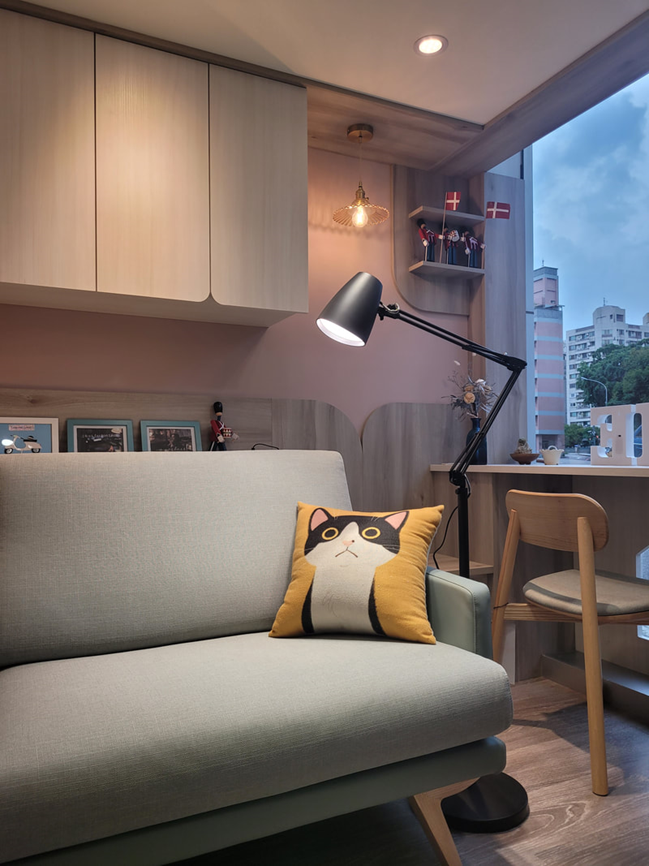
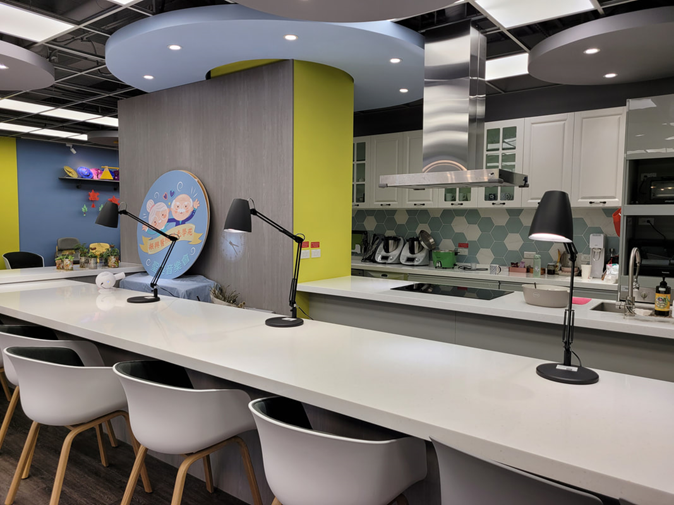
High-color rendering LED, 40Hz light source, vibrant colors and cognitive protection.
- The early onset of Alzheimer’s dementia is believed to be caused by the successive effects of abnormal beta-amyloid deposits in the brain, leading to neuronal apoptosis and subsequently affecting cognitive function.
- The ‘M+ BrainCare Light‘ validated through cellular experiments, has demonstrated its ability to reduce the secretion and aggregation of abnormal amyloid proteins.
Research and Publications of M+ BrainCare Light
- In this experiment, SH-SY5Y cells were exposed to the ‘M+ BrainCare Light’ and the changes in internal proteins were observed and compared with cells that were not exposed.
- The image on the right shows the results of the Western blot assay, which measures changes in protein quantity. Darker colors indicate higher protein quantities, while lighter colors indicate lower protein quantities.
- The experimental results indicate that cells exposed to the ‘M+ BrainCare Light‘ exhibited a significant decrease in the expression levels of phosphorylated proteins, including Tau protein and mTOR protein. This suggests that this light source can inhibit their phosphorylation.
- Tau protein and mTOR protein, both of which are considered detrimental proteins, can lead to dementia if they accumulate.

SH-SY5Y cells are commonly used as an in vitro model for studying neuronal function and cell differentiation. They have been extensively utilized in various areas of neuroscience research, including studies related to Parkinson’s disease, Alzheimer’s disease, neurotoxicity, focal ischemia, or amyotrophic lateral sclerosis (ALS). Furthermore, they can also be employed for investigating other characteristics of brain cells and neurogenesis.
Note:
- p-mTOR S2448 is a protein generated by cells during division. Experimental results indicate that its quantity decreases after exposure to M+ BrainCare lighting, indicating that M+ BrainCare Light can stabilize it and prevent excessive cell division.
- p-Tau T181 is a product of cell death. Experimental results show that exposure to M+ BrainCare Light can reduce the number of cell deaths.
Reference Link
- From Plan to Impact IV, Alzheimer’s Disease International
- Dementia, WHO
- Alzheimer’s ‘could be reversed by shining LIGHT directly into the brain to sweep away toxic proteins and help patients regain their memory
- Infrared light therapy might aid dementia patients
- THE PICOWER INSTITUTE DIRECTOR, Li-Huei Tsai
- Gamma frequency entrainment attenuates amyloid load and modifies microglia, Nature, 07 Dec 2016
- 40 Hz vibrations reduce Alzheimer’s pathology, symptoms in mouse models, MIT News
- What is 40 Hz light therapy? And, how is it related to Alzheimer’s Disease?
- Gamma Frequency Sensory Stimulation as a Potential Therapy for Alzheimer Disease
- Physical exercise during exposure to 40-Hz light flicker improves cognitive functions in the 3xTg mouse model of Alzheimer’s disease
- Delta M+ BrainCare Light
 40Hz Lighing to Protect against Dementia